

Industrial Mixer Upgrades That Improve Performance and Extend Equipment Life
Industrial mixer upgrades improve product quality, reduce downtime, and extend equipment life without the cost of replacing an entire machine. Learn which upgrades provide the greatest value and when refurbishment is the better investment.
Upgrade or Replace?
Industrial mixers are built to last, but even the most reliable equipment benefits from periodic upgrades. Over time, production requirements change, technology improves, and components naturally wear. Rather than replacing an entire mixer, targeted upgrades improve performance, increase reliability, enhance operator safety, and extend the life of your equipment.
At Schold Manufacturing, we have worked with industrial mixing equipment for decades. In many cases, an existing mixer still has years of productive service ahead of it with the right upgrades and maintenance. Whether you operate a high-speed disperser, multi-shaft mixer, low-speed mixer, or a complete industrial mixing system, investing in key improvements reduce downtime and help your equipment perform like new.

Replacing an industrial mixer is a significant investment, and it is not always necessary. If the machine’s frame and major mechanical components remain in good condition, upgrading existing equipment provides excellent value while minimizing production disruptions.
Many upgrades can be completed during scheduled maintenance or planned shutdowns, allowing facilities to improve equipment performance without the cost and lead time associated with purchasing a new machine. If your mixer is experiencing longer batch times, inconsistent results, excessive vibration, or increasing maintenance requirements, it is a good candidate for refurbishment or modernization instead of replacement.
1. Upgrade to a Variable Frequency Drive (VFD) Speed Control
Older industrial mixers operate at a fixed speed. While effective for certain processes, fixed-speed operation limits flexibility and makes it difficult to optimize mixing performance for different products.
A Variable Frequency Drive (VFD) allows operators to precisely adjust mixer speed throughout the mixing cycle. This provides greater process control while reducing mechanical stress on motors, belts, and drive components.
Benefits of a VFD upgrade include:
- Improved batch consistency
- Better control over shear rates
- Reduced startup shock and mechanical wear
- Lower energy consumption during operation
- Increased flexibility for multiple product formulations
Facilities producing paints, coatings, inks, adhesives, specialty chemicals, food products, and many other materials often see noticeable improvements after upgrading to VFD control.
For more information about VFDs, visit: VFD Conversions for Industrial Mixers
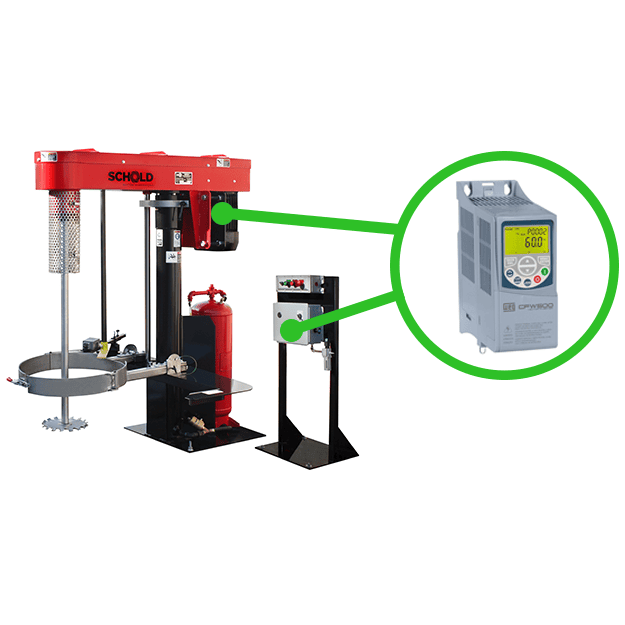
2. Modernize Electrical Controls
Control systems have advanced considerably over the past several decades. Older mixers rely on relay-based electrical panels or outdated control components that become difficult to troubleshoot or replace.
Modern control systems improve both operation and reliability. Depending on the application, upgrades include touchscreen HMIs, programmable logic controllers (PLCs), digital speed displays, recipe management, alarm monitoring, and automated sequencing.
Modern controls also improve repeatability by allowing operators to follow consistent mixing procedures from batch to batch. This reduces operator error while improving overall production efficiency. For manufacturers focused on quality control and process consistency, upgrading the electrical controls is one of the most valuable improvements available.
3. Replace Worn Mixing Blades
The mixing blade performs the work of dispersing, blending, and circulating product throughout the vessel. Even small amounts of wear reduce mixing efficiency and increase processing time.
Signs that blades may need replacement include:
- Longer mixing cycles
- Reduced dispersion quality
- Increased motor load
- Excessive vibration
- Visible wear or damage
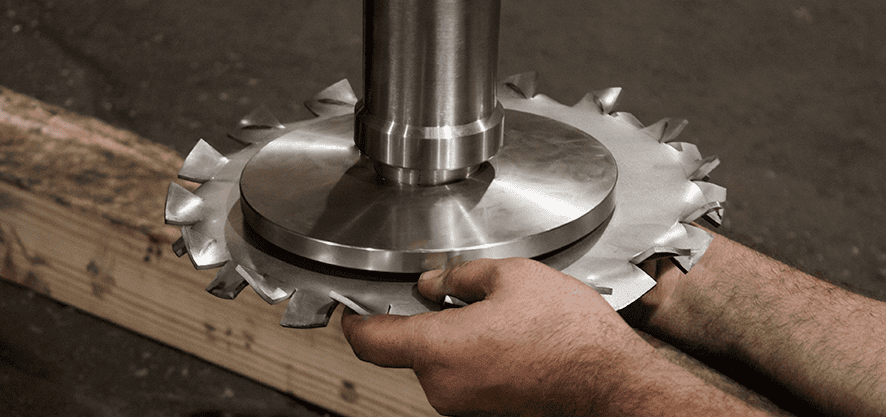
Replacing worn blades restores mixing performance and maintains consistent product quality. Choosing the correct blade design is just as important as replacing a worn one. Blade diameter, tooth profile, and mixing geometry all influence shear, flow patterns, and overall batch performance.
Contact Schold to determine whether your current blade remains appropriate for your process or if an updated design would improve performance. Visit Mixer Blade Types for more info.
4. Improve Pneumatic and Hydraulic Systems
Industrial mixers rely on pneumatic or hydraulic systems for raising and lowering the mixing head, clamping vessels, or performing other machine functions. Over time, moisture contamination, worn seals, leaking hoses, and aging valves reduce system performance and increase maintenance requirements.
Routine inspection and replacement of these components improve machine reliability while preventing unexpected downtime. In facilities using compressed air, proper filtration and air drying can also extend the life of pneumatic components and reduce corrosion within the system. Keeping these systems in good condition not only improves machine operation but also maintains safe and reliable equipment performance.
For info about air-over-oil lift systems, visit: Air-Over-Oil Lift System.
5. Upgrade Safety Features
Safety standards continue to evolve, and older mixers were built before today’s safety expectations became common.
Depending on the equipment, safety upgrades may include:
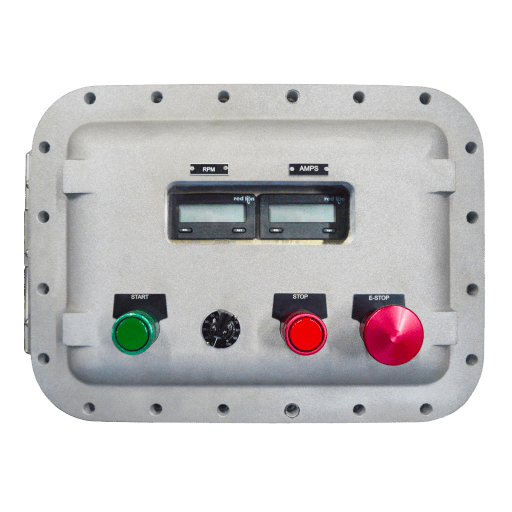
- Updated emergency stop systems
- Improved guarding around rotating components
- Safety interlocks
- Hydraulic locking mechanisms
- Electrical safety improvements
Modern safety upgrades protect operators while supporting compliance with current workplace safety practices. They reduce the likelihood of accidental equipment damage caused by improper operation.
6. Replace Bearings, Seals, and Other Wear Components
Some of the most important upgrades involve components that are rarely seen during normal operation. Bearings, seals, bushings, belts, and couplings naturally wear over time. Replacing these parts before failure prevents extensive repairs that result from unexpected breakdowns.
Preventative replacement of wear components reduces long-term maintenance costs while improving overall equipment reliability. During scheduled maintenance, these inspections identify developing issues before they affect production.
7. Refurbish Existing Equipment
When an industrial mixer has provided years of reliable service, a complete refurbishment offers a practical alternative to purchasing new equipment.
A refurbishment includes replacing worn mechanical components, updating electrical controls, rebuilding hydraulic systems, refinishing painted surfaces, replacing stainless steel components when needed, and thoroughly inspecting the machine before it returns to service.
Refurbished equipment provides additional years of dependable operation while preserving a company’s existing production process and operator familiarity. Because every mixer is different, refurbishment projects are customized based on the equipment’s condition and the customer’s production goals.

8. Establish a Preventative Maintenance Program
The best upgrade for industrial mixers is a consistent maintenance program.
Routine inspections identify worn components before they fail, reducing unplanned downtime and extending equipment life. Maintenance schedules should include inspection of bearings, belts, blades, hydraulic systems, electrical components, lubrication points, and safety devices.
Keeping accurate maintenance records identify recurring issues and allows repairs to be planned during scheduled production shutdowns rather than during unexpected equipment failures.
For facilities operating multiple mixers, preventative maintenance significantly improves long-term reliability and reduce emergency service costs.
Why Work With the Original Equipment Manufacturer?
When planning equipment upgrades, working with the original equipment manufacturer offers several advantages. OEMs understand the original machine design, have access to replacement components, and can recommend upgrades that integrate properly with the existing equipment.
At Schold, our team works with customers to evaluate existing equipment, recommend practical improvements, and perform refurbishments that extend machine life while improving overall performance.
Whether the project involves replacing a single component or completing a full equipment rebuild, we help customers maximize the value of their mixing equipment investment.

Signs Your Industrial Mixer May Need an Upgrade
- Longer batch times
- Inconsistent dispersion
- Excessive vibration
- Increasing maintenance costs
- Hydraulic leaks
- Outdated electrical controls
- Safety concerns
- Difficulty sourcing replacement parts
FAQs
Below are answers to some of the most common questions we receive about industrial mixer upgrades, refurbishment, and preventative maintenance.
Should I upgrade or replace my industrial mixer?
If the frame and primary mechanical components of your industrial mixer remain in good condition, upgrading the equipment is a cost-effective alternative to replacement. Modern controls, replacement mixing blades, safety improvements, and refurbished mechanical components improve performance, increase reliability, and extend equipment life. If the mixer no longer meets your production capacity requirements or has significant structural damage, replacing the machine is the better long-term solution.
What industrial mixer upgrades provide the greatest return on investment?
The best upgrades depend on your equipment and application, but the most common include variable frequency drives (VFDs), modern electrical controls, replacement mixing blades, upgraded safety systems, and refurbishment of hydraulic or pneumatic components. These improvements reduce downtime, improve batch consistency, and extend the service life of the mixer.
How long does an industrial mixer typically last?
Industrial mixers are designed for long service life. With routine preventative maintenance, replacement of wear components, and periodic upgrades, many mixers operate efficiently for decades. Service life ultimately depends on the application, operating conditions, maintenance practices, and the overall condition of the equipment.
Can older industrial mixers be upgraded with modern controls?
Yes. Older industrial mixers can be retrofitted with updated electrical controls, touchscreen HMIs, PLCs, variable frequency drives, and other modern automation features. These upgrades improve operator control, process consistency, and equipment reliability while allowing manufacturers to continue using existing equipment.
Does Schold provide industrial mixer refurbishment services?
Yes. Schold offers industrial mixer refurbishment services designed to restore equipment performance and extend machine life. Depending on the condition of the mixer, refurbishment includes replacing worn mechanical components, updating electrical controls, rebuilding hydraulic systems, installing new mixing blades, improving safety features, and testing the equipment before it is returned to service.